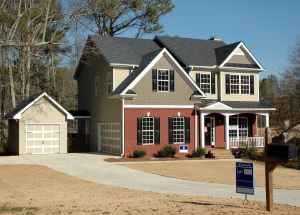
For many homeowners, the concept of home watch is unfamiliar until they find themselves needing it.
You may own a second home in Florida but spend part of the year elsewhere. You may have purchased a property before relocating permanently. Or you may simply travel frequently enough that your house sits empty for extended periods.
Eventually the same question comes up:
Who is keeping an eye on the house while you’re away?
That’s where home watch comes in.
What Home Watch Actually Is
Home watch is a professional service that provides regular, scheduled visits to a vacant home to check its condition and identify potential problems.
During each visit, the property is visually reviewed to make sure everything appears normal. Key areas of the home are checked, systems are observed, and anything unusual is documented and communicated to the homeowner.
If something needs attention, the homeowner is notified immediately and the appropriate next steps are coordinated.
The purpose of home watch is simple:
Catch small problems before they become expensive ones.
Why Vacant Homes Need Attention
Homes behave differently when nobody is living in them.
In an occupied home, issues are discovered naturally. A homeowner notices when the air conditioner starts behaving strangely, when water appears where it shouldn’t be, or when something outside looks out of place.
In a vacant home, those same problems can continue unnoticed.
A clogged HVAC drain line may shut down the system. A plumbing issue may slowly develop behind a wall or under a sink. Storm damage may loosen something on the exterior that becomes a water entry point the next time it rains.
None of these issues are unusual. The difference is simply whether someone is there to notice them.
Florida’s Environment Makes Oversight More Important
In Florida, the environment places additional pressure on vacant homes.
Heat and humidity affect interior conditions quickly if climate control systems fail. Storm activity — even minor weather events — can leave small exterior damage behind. Salt air in coastal areas accelerates wear on materials exposed to the elements.
Properties that sit unattended for weeks at a time are more likely to develop problems simply because no one is there to notice them.
Regular home watch visits close that gap.
What Happens During a Home Watch Visit
A professional home watch visit follows a structured process.
The goal is not to perform a technical inspection, but to visually review the property and identify anything that appears unusual.
Typical visits include checking areas such as:
- Exterior conditions around the home
- Doors, windows, and roofline visibility
- Landscaping and irrigation issues
- HVAC operation and interior temperature
- Plumbing fixtures and water sources
- Appliances such as refrigerators and freezers
- Signs of pest activity or water intrusion inside the home
When something unusual is discovered, it is documented and communicated to the homeowner immediately.
After each visit, a written report with photos provides a record of the home’s condition at that time.
Over time, these reports build a timeline that shows how the property has been maintained and monitored.
Technology Helps — But It Doesn’t Replace Being There
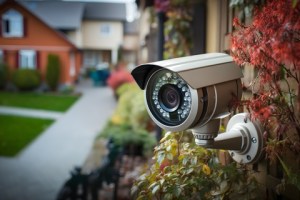
Many homeowners now install cameras, security systems, and smart thermostats to monitor their homes remotely.
These tools are useful and increasingly common. They can alert homeowners when something unusual happens.
But technology still requires someone to respond.
If a thermostat suddenly shows rising temperatures inside the home, someone still needs to physically check the HVAC system. If a camera captures unexpected activity, someone still has to walk the property and determine what’s happening.
Home watch fills that gap.
Technology provides awareness.
Home watch provides oversight.
A Local Presence for Your Property
Another important aspect of home watch is having someone local who can respond when situations arise.
Vendors sometimes need access to the property. Storms require someone to check for damage. Unexpected issues may need coordination with contractors or communication with neighbors or HOAs.
When homeowners are out of state, these situations become much easier when someone local is responsible for the property.
Peace of Mind While You’re Away
Ultimately, home watch exists because vacant homes require attention.
Regular visits ensure that if something changes — whether it’s weather damage, a system failure, or something as simple as a landscaping issue — it’s discovered early and handled appropriately.
For homeowners who spend time away from their Florida property, that oversight provides something valuable:
The confidence that when they return, their home will be exactly as they left it.